
Introduction
This article contains highlights from our August newsletter; read on to find out more about:
- The importance of having your own NAWI Module D certification.
- The Process of becoming UKMB certified.
- How AI is changing the internal auditing process.
- The highlights from Make UK’s 2026: Makers Manifesto
- The confirmed changes for ISO 9001: 2026.
UKMB updates and advice
Why you need your own NAWI Module D Certification
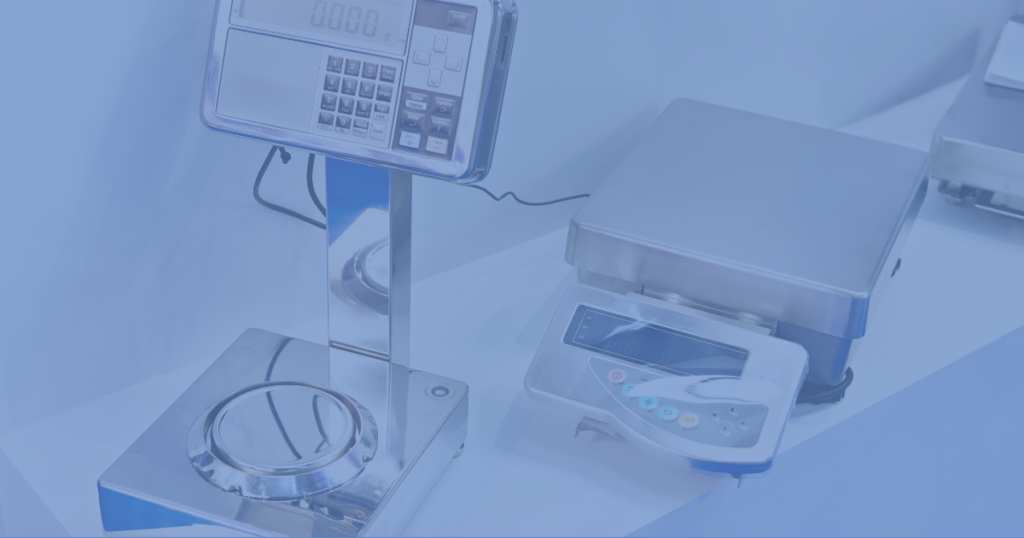
As a UKAS accredited Conformity Assessment Body, we always recommend that businesses become approved manufacturers in their own right rather than relying on the NAWI Module D certification held by their suppliers. This is based on our extensive experience in the weighing and measuring industry and our Director’s firsthand experience running their weighing and measuring businesses.
Having your own NAWI Module D certification in place rather than piggy-backing on your suppliers’ certification gives you complete legal control, independence and market flexibility, whereas relying on a supplier ties your business operations directly to their compliance status.
If you are unsure about the benefits of achieving your own NAWI Module D certification and want to understand more about the risk of relying on your supplier’s certification, you can take a look at our recent blog post by clicking here.
The process of becoming UKMB Certified
We know from experience that the process of achieving and maintaining the relevant marketplace certifications can be time-consuming, costly and somewhat slow.
When we set up the UK Metrology Board, we created an easy-to-follow 12-step process to take you from application to certification. The process is designed to support you at every stage of your journey, ensuring complete transparency about exactly what is required for a successful audit. From the moment you contact us, we’ll be on hand to guide you through each step of the certification process.
You can view the 12-step process by clicking here. Alternatively, if you would like to submit an application for certification, you can do so here. Subject to the scope of the project, we aim to have you certified in as little as 4-6 weeks.
Industry Updates
How AI is Changing the Internal Auditing Process

For many years, compliance has been monitored periodically through scheduled internal audits and third-party certification audits that take place once every 3 years, with annual surveillance audits in between.
However, the integration of AI, connected technologies, consumer expectations, and increasingly complex products is changing the face of internal auditing, with businesses looking at ways they can use technology to create a culture of continuous compliance. This enables businesses to address any nonconformities in real time and take a more strategic approach to reducing risk and learning from the available data.
Many businesses are increasingly utilising AI technologies to automate traditional auditing practices and allow for continuous monitoring. Some of the benefits of doing so are:
- The ability to monitor larger data sets: Machine learning allows for the monitoring of much larger data sets. Meaning that patterns, abnormalities and trends can more easily be identified. Over time, this helps to identify any corrective actions that need to be taken, as well as growth opportunities.
- Continuous monitoring for better compliance: The introduction of automated monitoring means that you can continually monitor your performance across all aspects of the business. By generating automated alerts, you will be able to address issues in real time and commit to a culture of continuous improvement.
- A focus on strategic thinking: Automating the collection and analysis of data does not replace the experience and independent thinking of internal auditors and quality managers. Instead, it allows them to focus on evaluating risk, making recommendations for improvement and helping you plan for the future.
All of this allows for more precision and accuracy, higher quality products and improved compliance.
Make UK’s 2026: Makers Manifesto
Last month the UK Government released its update on the UK’s Industrial Strategy. Despite the report’s positive spin on the progress that has been made. Research from Make UK found that less than half of all UK-based manufacturing businesses had benefited from the strategy.
In the 2026 Makers Manifesto, Make UK Stephen Phipson states that “…the message is clear, the time for planning must give way to the urgency of delivery. The strategy should not be paused or reworked – it should be accelerated and delivered.’
We found the report to be a really interesting read, as it clearly lays out the key points from the Industrial Strategy, the response from manufacturers and evidence-based recommendations for actions to tackle each point.
To read the full report, you can do so by clicking here.
Confirmed changes for ISO 9001: 2026

As we are sure you are aware, the new ISO 9001 standard is due to be published in September 2026.
The key confirmed changes outlined in the Draft International Standard are as follows:
1) Integration of Climate Considerations: The impact your business has on the environment needs to be factored into your infrastructure. However, what this actually entails in terms of requirements has not yet been outlined.
2) More focus on Leadership Responsibilities: It is now a requirement of ISO 9001 for senior management to promote and demonstrate that the company’s culture is focused on quality and ethical behaviour. This is good news as it aids staff retention and creates a culture of continuous improvement. The new standard will also include guidance on this area.
3) Tweaks to Quality Policy: The new standard states that organisations must ‘take into account the context of the organisation and support its strategic direction.’ Strengthening the relationship between your quality management system and business strategy.
4) Clarified Risk and Opportunity Management: Actions for addressing risk and pursuing opportunity need to be clearly separated, with documentation provided on both. Expanded guidance will be available on both.
5) Improved Awareness of the Standards Internally: In order to demonstrate and maintain compliance, it will also be a requirement that all employees understand what a quality culture is and maintain ethical behaviour.
6) More clarification on the requirements: Supplementary guidance will be included in the amendment, making it easier for you to understand the requirements, terminology and clauses. To support you in implementing the standard.
To support your transition from the current standard to the new one. We will be publishing a series of short podcasts and other guidance documentation to aid your transition from ISO 9001: 2015 to ISO 9001: 2026.
You can sign up for our email updates by clicking here to get all the latest news about ISO 9001: 2026 directly to your inbox.
The certifications we offer
We do hope you have enjoyed reading this extract from our monthly newsletter.
Please note that we are now taking bookings for the following UKAS-accredited certifications.
ISO 9001, UKCA and CE+UKNI, covering the following Modules and Standards:
- NAWI Module D & Module D1
- MIR Module A2, Module D, Module D1, Module E1
- Weights & Measures Act 1985, Section 11A.
If you do have any questions about any of these certifications, or if you would like to submit an application for certification, then do get in touch. Subject to the scope of the audit, we aim to have you certified in as little as 4-6 weeks.