
Introduction
This article contains highlights from our monthly metrology newsletter; read on to:
- Get an update from Make UK on the progress of the Government’s Industrial Strategy one year on.
- Find out why having ISO 9001 Certification can help with the adoption of AI.
- Get some key highlights from our Technical Advisor Ian Turner’s trip to the International Conference of Weighing, held in Kitakyushu, Japan, in the first week of June 2026.
- Meet two of our auditors – Crispin Steel and Phil Thomas.
Industry News

The UK Government’s Industrial Strategy One Year On
On Monday, 23rd June, 2025, the UK Government published its first Industrial Strategy since 2017, designed to help UK manufacturers invest, grow and compete. One year on, Make UK has released a report and a discussion on how the proposed strategy is progressing:
The paper finds that whilst UK Manufacturers support the strategy, it has only directly benefited 3% of UK Manufacturing businesses. The paper finds that ‘delivery is not yet matching ambition’, with the key takeaways being:
1) Support remains strong for the proposed strategy, but there are concerns that it is slipping down the government’s agenda, particularly amidst concerns about another change in leadership.
2) The strategy is all about long-term growth; however, it needs to be adapted to support current market conditions and help manufacturers overcome immediate pressures to enable them to invest in the future.
3) Confidence in the proposed scheme is waning due to delayed implementation, lack of consistency and the fact that 55% of UK manufacturers have so far seen no benefit at all.
To find out more about Make UK’s verdict on the Industrial Strategy one year on and how they plan to ensure reforms reach businesses, you can click here.
UKMB’s News and Advice
How ISO 9001 Certification Supports the Adoption of AI

AI adoption is steadily increasing; recent research from McKinsey shows that 88% of organisations now use AI in at least one business function, up from 78% in 2024.
However, many companies are finding that these models are ineffective and fail to deliver real value. As a recent article in Quality Magazine noted: ‘Most manufacturers are not failing at AI because they chose the wrong model. They are failing because they are trying to build intelligence on a foundation of noise.’
Organisations that have successfully adopted AI technologies have based their integration on high-quality data and robust quality systems that ensure these technologies deliver return on investment, make people’s jobs easier and can constantly be evaluated.
Having ISO 9001 certification in place can help with the integration of new technologies because:
1) Quality systems and processes have to be mapped out, stored centrally and implemented: The process of doing this will help you identify how AI systems can be integrated into your current systems and processes.
2) You will need to integrate risk-based thinking: Understanding how to do this will help you integrate AI and other new technologies and proactively prevent any issues in advance.
3) Your processes will be standardised: AI is only as good as the information it is given. By mapping those processes in advance and ensuring your people are informed and on board with the change, you can create a culture of continuous improvement, ensure the change is effective, and ensure that your weighing and measuring equipment remains compliant.
All of this will help to future-proof your business, aid growth, and create a culture of continuous improvement. If you would like to find out more about becoming ISO 9001 Certified, or if you have any questions about the upcoming changes to the standard (due September 2026), then do send us an email, give us a call or click here to submit an application via our application page.
Highlights from the International Conference of Weighing
In early June 2026, one of our Technical Advisors, Ian Turner, attended the second International Conference of Weighing in Kitakyushu, Japan.
The theme of the conference was ‘Innovative weighing solutions for a sustainable world’ and covered one of Ian’s favourite topics: the fundamental role of weighing in driving economic growth and sustainability by eliminating guesswork and ensuring businesses can minimise waste, build trust with consumers and meet their sustainability targets.
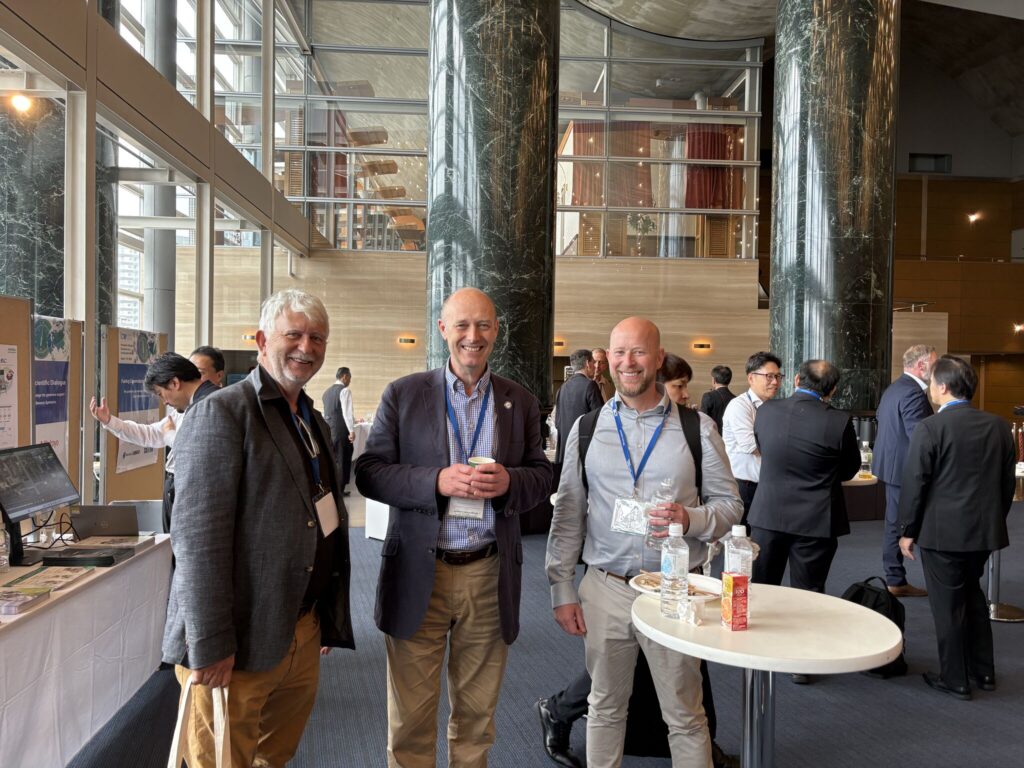
The highlights for Ian included:
- The presentation by the UK Weighing Federation on safeguarding the voluntary system of modular evaluation in legal metrology: Highlighting the importance of businesses following the OIML voluntary system for testing to ensure that components tested in one country are protected in another. This is important in promoting global trade and sustainability, as well as encouraging businesses to achieve the correct certifications for their weighing and measuring instruments within the markets they operate in and maintain a higher level of compliance between audits.
- The focus on the importance of the Digital Product Passport: This is an electronic record that stores information about a product and can be accessed via a QR code on the product. Whilst this is not mandatory for the UK domestic market, it was strongly advised that businesses adopt these digital labelling policies to aid expansion, secure market access, and build trust with consumers and suppliers.
- The presentation on the Conformity Assessment of Automatic Check Weighers – current practices and future outlooks: The presentation argued that adopting predictive technologies that combine AI and machine learning with human input will lighten the testing load by forecasting errors in advance. Over time, this will increase profitability and make it easier for businesses to remain compliant.
The conference highlighted the important role that metrology plays in facilitating global trade, building consumer trust, and impacting business and environmental sustainability.
At the end of the conference, it was announced that the next International Conference of Weighing will be held in the UK in 2029 and will be hosted by the UK Weighing Federation, highlighting the important role that the UK plays in shaping the future of weights and measures.
A Reintroduction to two of our Auditors
Our auditors are your main point of contact before, during and after your audit. They will answer any questions you have about your audit plan and work with you on the day of the audit to ensure it goes as smoothly as possible.
If you are an existing customer, you will know that our audits come with an implied level of guidance to help you maintain the highest level of compliance. As they are so crucial to the success of your audit, we thought it was about time we reintroduced them.
Phil Thomas
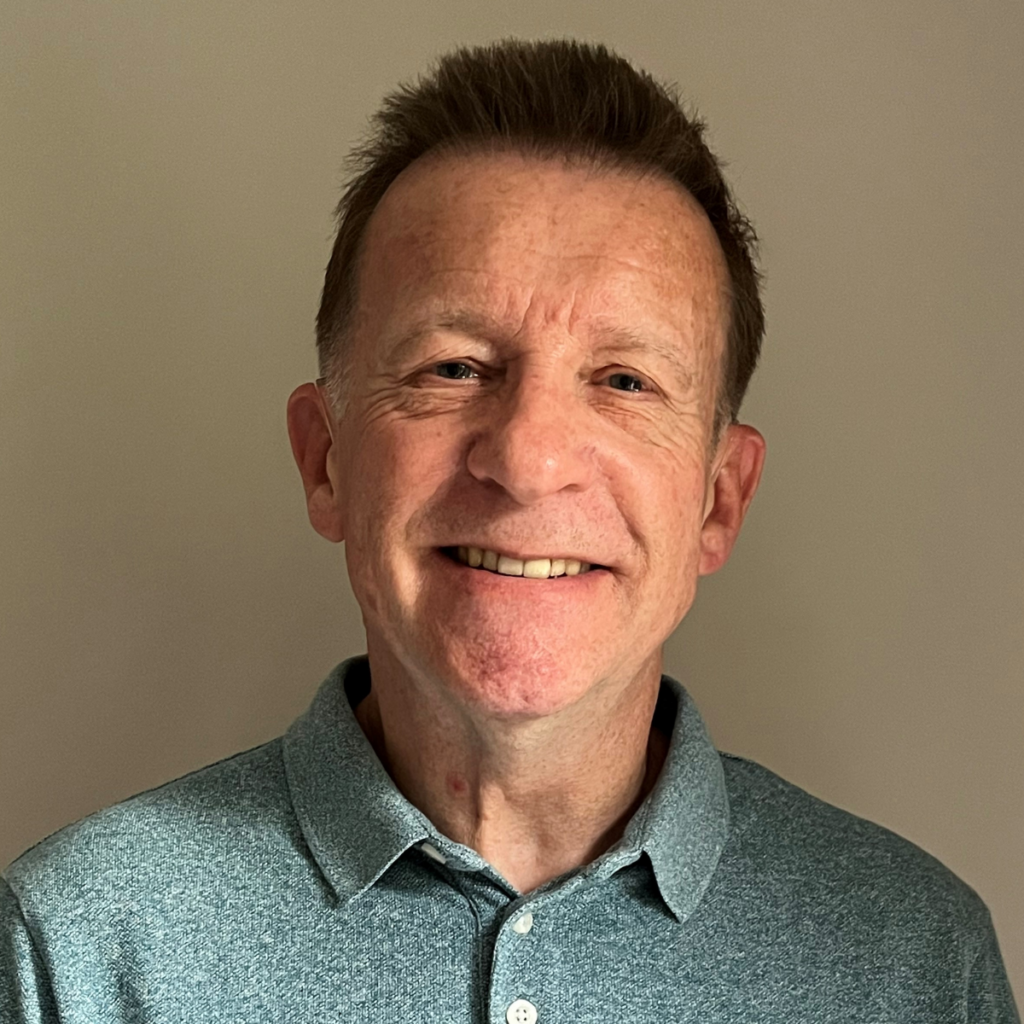
Phil was one of the first auditors to join the UKMB team in October 2022. Before this, he had a 40-year career in the Trading Standards profession, ending as head of service for
one of the largest local authorities in the UK. Part of that career was based on creating and managing quality systems to ISO 9001 and UKAS accreditations.
Since leaving Trading Standards, Phil has conducted assessments under legal metrology
rules worldwide, completing 300 assessments in 20 countries, including the UK, Europe, the
USA, and the Far East. He also conducted our first audit in China for Adam Equipment.
Phil brings a wealth of experience in legal metrology to the UKMB team and ensures our clients receive the highest possible level of service. Phil is also the chair of his local food bank, ensuring some of the neediest people in his community receive the essentials they need.
Crispin Steele
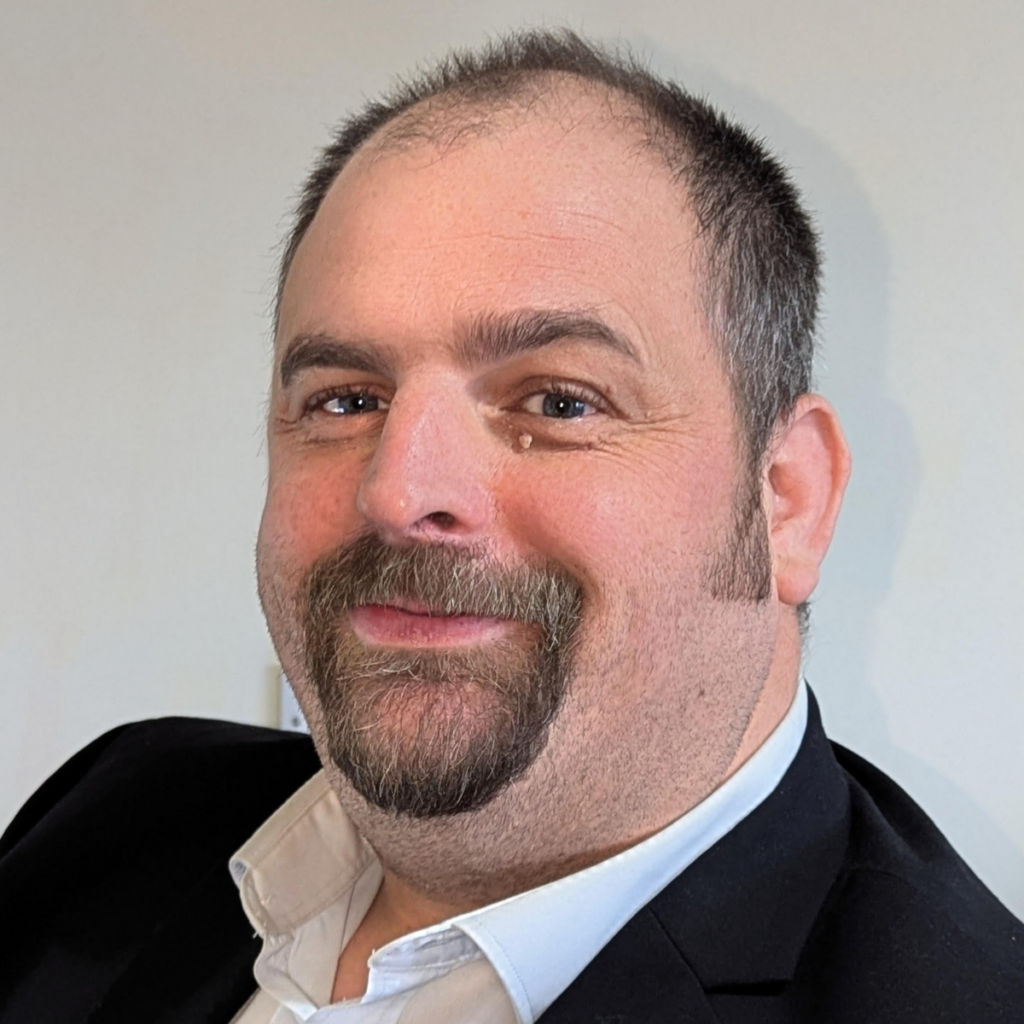
Crispin is our newest auditor and was appointed in January 2026. He is also a Service Manager for Warwickshire Trading Standards and is the Lead Metrologist with management oversight of their UKAS Accredited Calibration laboratory and for their Module F Approved Body certification, a position he has held since October 2020. Crispin sits on the National Legal Metrology Technical Panel and is currently vice-chair of the Central England Trading Standards Authorities (CEnTSA) Metrology group.
Crispin’s passion is legal metrology; he believes that metrology is the cornerstone of everything and most enjoys being on site meeting clients, finding out more about their businesses and the uses of weights and measures in their work. He was also once the official tester and recorder of mass in a Guiness World Record attempt to create the largest paper bag of chips.
Phil and Crispin are both well-versed in helping businesses understand what they need to do to achieve the correct certifications. Ensuring all your audits come with an implied level of advice and guidance to ensure you achieve the highest level of compliance, both now and in the future.
We will be introducing two more of our auditors next month, so do keep an eye out in the next newsletter.
Please note that we are now taking bookings for the following UKAS-accredited certifications.
ISO 9001, UKCA and CE+UKNI, covering the following Modules and Standards:
- NAWI Module D & Module D1
- MIR Module A2, Module D, Module D1, Module E1
- Weights & Measures Act 1985, Section 11A.
If you do have any questions regarding achieving any of the above certifications for your weighing and measuring equipment, or if you would like to submit an application for certification, then do get in touch. Subject to the scope of the audit, we aim to have you certified in as little as 4-6 weeks.